Cosmetics with Fermented Ingredients: What They Are and Why Your Skin Needs Them
See the word “fermented” on a product and already imagine something sour and overly active? In reality, it’s much simpler 😊

10/5/2026
Article content1. What Is Fermentation in Cosmetics?2. Enzymes and Fermented Ingredients: What’s the Difference?3. Why Does Skin Need Fermented Ingredients?4. What to Look for in the Ingredient List5. Galactomyces Ferment Filtrate6. Bifida Ferment Lysate7. Lactobacillus Ferment8. Fermented Rice and Soy9. Who Is Fermented Skincare Suitable For?10. How to Introduce Fermented Skincare into Your Routine11. Fermented Cosmetics at Ksisters12. Conclusion
See the word “fermented” on a product and already imagine something sour and overly active? In reality, it’s much simpler 😊 Fermentation is the familiar process that gives us kimchi, yogurt, and soy sauce. In cosmetics production, however, this process takes place under controlled conditions and makes it possible to change the properties of raw materials.
During fermentation, microorganisms transform components, and new compounds may form in the process. In a finished formula, fermented ingredients can help support skin hydration, comfort, and the protective barrier.
Let’s break down without complicated terms how fermented cosmetics work, what’s hiding behind unfamiliar names in the INCI, and how to choose a product that will easily fit into your routine 🌸
What Is Fermentation in Cosmetics?
Fermentation is a process in which yeast, lactobacilli, or other microorganisms process rice, soy, tea, algae, extracts, or oils. It may sound a little like a biology lesson, but the principle is simple: the original raw material changes under the influence of microorganisms.
During fermentation, its composition and properties may change. Depending on the raw material and the process itself, amino acids, organic acids, peptides, and other compounds may form.
But there’s no magic here 🙃 Smaller molecules don’t necessarily penetrate the skin better or deeper. It depends on the structure of the specific substance and the entire product formula.
Cosmetics with fermented ingredients became especially popular thanks to K-beauty. In Korea, fermentation traditions have long been part of the food culture, and over time this approach also became prominent in skincare. It is often associated with the first treatment essence format — a lightweight essence applied after cleansing or toner.
Enzymes and Fermented Ingredients: What’s the Difference?
The names sound similar, but they’re not the same thing ☝️
Enzymes are active substances that help trigger certain processes. In cosmetics, for example, papain and other enzymes are used for gentle exfoliation of dead skin cells. That’s why you’ll often find them in enzyme powders and peels.
Fermented ingredients are components that have undergone fermentation with the help of microorganisms. Rice, soy, or plant extracts, for example, can be fermented. In cosmetic formulas, they may appear as filtrates, lysates, and other fermentation products.
So, in short: an enzyme works as an active component, while a fermented ingredient is a raw material that has been transformed through the fermentation process.
Why Does Skin Need Fermented Ingredients?
A little spoiler right away: the word “fermented” on the label doesn’t automatically guarantee a wow result ☺️ What matters is which specific ingredient is used, at what concentration, and what it’s combined with in the formula.
Still, a well-chosen product with fermented ingredients can become a comfortable part of your routine. Let’s see what makes them interesting ✨
1. Fermentation changes the properties of raw materials. During this process, the composition of the original component changes, and new compounds may also form — for example, amino acids, organic acids, or peptides.
But again, there’s no magic here: fermentation doesn’t automatically mean that an ingredient will penetrate deeper or work more effectively. It all depends on the specific component and the finished formula.
2. They can help support hydration and the protective barrier. Some fermented ingredients contain postbiotic components — substances and cell fragments that remain after the fermentation process. In a well-designed formula, they can help support skin hydration, the protective barrier, and comfort.
The microbiome is a little more complicated. Not every fermented ingredient has a proven effect on it, so seeing Ferment in the ingredient list doesn’t automatically make a product “microbiome-friendly.”
3. They’re easy to incorporate into a daily routine. Fermented ingredients can be found in toners, essences, serums, and creams, so it’s quite easy to choose a format that works for you.
At the same time, “fermented” doesn’t mean “hypoallergenic” or “for sensitive skin.” Always look at the entire INCI: the formula may contain fragrances, essential oils, acids, or other components that may not suit your skin.
4. They can help support a fresh, well-cared-for appearance. Depending on the formula, antioxidants, amino acids, and moisturizing components can help maintain smoothness, softness, and a more even-looking complexion.
That’s why these products can be part of a routine for dull-looking skin or the first age-related changes. But fermented ingredients shouldn’t be treated as a universal anti-age solution — and they don’t replace daily SPF either ☝️
What to Look for in the Ingredient List
Don’t be intimidated by long INCI names — it’s enough to learn to recognize the words Ferment, Filtrate, and Lysate.
Filtrate is the purified liquid part left after fermentation, while Lysate contains components from broken-down microorganism cells. And no, this doesn’t mean there are live bacteria living in your jar 😅
Galactomyces Ferment Filtrate
Let’s start with the star of fermented K-beauty — Galactomyces. This is a filtrate obtained with the help of yeast-like Galactomyces fungi. You’ll most often find it in essences, toners, and lightweight serums. Products with Galactomyces can help support smoothness, softness, and a more even-looking skin tone.
Bifida Ferment Lysate
Bifida Ferment Lysate consists of processed components and cell fragments obtained through fermentation. It’s often found in formulas designed to support the skin’s protective barrier and comfort, together with ceramides, panthenol, or other moisturizing ingredients.
Products with Bifida Ferment Lysate may be especially interesting when the skin lacks hydration or feels dry or uncomfortable. In a well-designed formula, the ingredient helps support softness, hydration, and a well-cared-for appearance.
And a small clarification: despite its name, Bifida Ferment Lysate doesn’t contain live bifidobacteria. It’s already a processed fermentation product 😌
Lactobacillus Ferment
Lactobacillus Ferment refers to components obtained through fermentation involving lactobacilli. In skincare, they can help support hydration, the protective barrier, and skin comfort.
These formulas may be especially worth considering when your skin feels dry, tight, or simply needs a little more care 🌿 Lactobacillus Ferment is often combined with ceramides, panthenol, and other moisturizing ingredients.
And if your skin is sensitive, don’t look only at Lactobacillus Ferment — consider the formula as a whole. After all, it’s the combination of all the ingredients that determines how comfortable the product will be for your skin.
Fermented Rice and Soy
Rice and soy fermentation products may contain amino acids, peptides, and other compounds. Their composition depends on the original raw material and the fermentation process.
In cosmetic formulas, these components can help support hydration and a well-cared-for appearance.
And one small detail: rice extract and fermented rice aren’t the same thing. If you’re specifically looking for a fermented ingredient, it’s better to check the full INCI rather than relying only on the product name.
And here’s one more rule definitely worth remembering: seeing Ferment in the ingredient list doesn’t automatically mean you’ve found a super product. The origin of the ingredient, the fermentation process, its concentration, and, most importantly, the entire finished formula all matter 💫
Who Is Fermented Skincare Suitable For?
Good news: fermented ingredients aren’t limited to just one skin type 💕 It’s much more important to look at the product base and the rest of the INCI.
For example, a lightweight essence may feel comfortable on combination or oily skin, while a cream or emulsion with lipids may be better suited to dry skin.
Fermented skincare may be worth considering if your skin:
- looks dull or tired;
- feels like it needs more hydration;
- has an uneven-looking tone;
- needs support for its protective barrier after cold weather, dry air, or an active skincare routine.
The season can also help you choose the right format. In winter, a richer formula can help support the skin during periods of dryness, while in summer, a lightweight toner or essence can add hydration without feeling heavy.
If you have rosacea, active dermatitis, or pronounced irritation, it’s best to discuss new products with a dermatologist, especially during a flare-up. Even a formula that seems comfortable at first glance may contain fragrance, essential oils, or another ingredient that simply doesn’t suit your skin 😌
How to Introduce Fermented Skincare into Your Routine
Don’t rush to buy a product just because everyone is talking about ferments right now 😄 First, think about what your skin wants: more hydration, comfort, barrier support, or simply a fresher appearance?
Then choose a format that can easily fit into your usual routine without adding ten extra jars.
The product format will tell you where it belongs in your routine:
- After cleansing, apply toner to add hydration to the skin.
- Use an essence after toner or immediately after washing your face — depending on the brand’s recommendations.
- Apply serum before cream as a targeted step.
- Finish your evening routine with an emulsion or cream, and in the morning use SPF after them.
Fermented skincare can generally be combined with niacinamide, panthenol, and ceramides. There’s also no general rule against combining it with vitamin C, acids, or retinoids.
But if your skin is sensitive or reactive, it’s better not to introduce several new products at the same time. This will make it easier to understand which product works for your skin.
Introduce new products into your routine gradually: one at a time, after doing a patch test (we explained it in more detail in this article). Start by using the product a few times a week. If your skin reacts comfortably, gradually move toward the frequency recommended by the manufacturer.
And don’t give your skin a deadline 😊 A feeling of hydration and softness may appear quite quickly, while changes in the appearance of skin tone or texture usually require more time and consistency.
Fermented Cosmetics at Ksisters
At Ksisters, fermented cosmetics are available in different formats — from lightweight toners and essences to serums and creams.
You can start with products with Galactomyces, cosmetics with Lactobacillus ferments, or products with Bifida lysate.
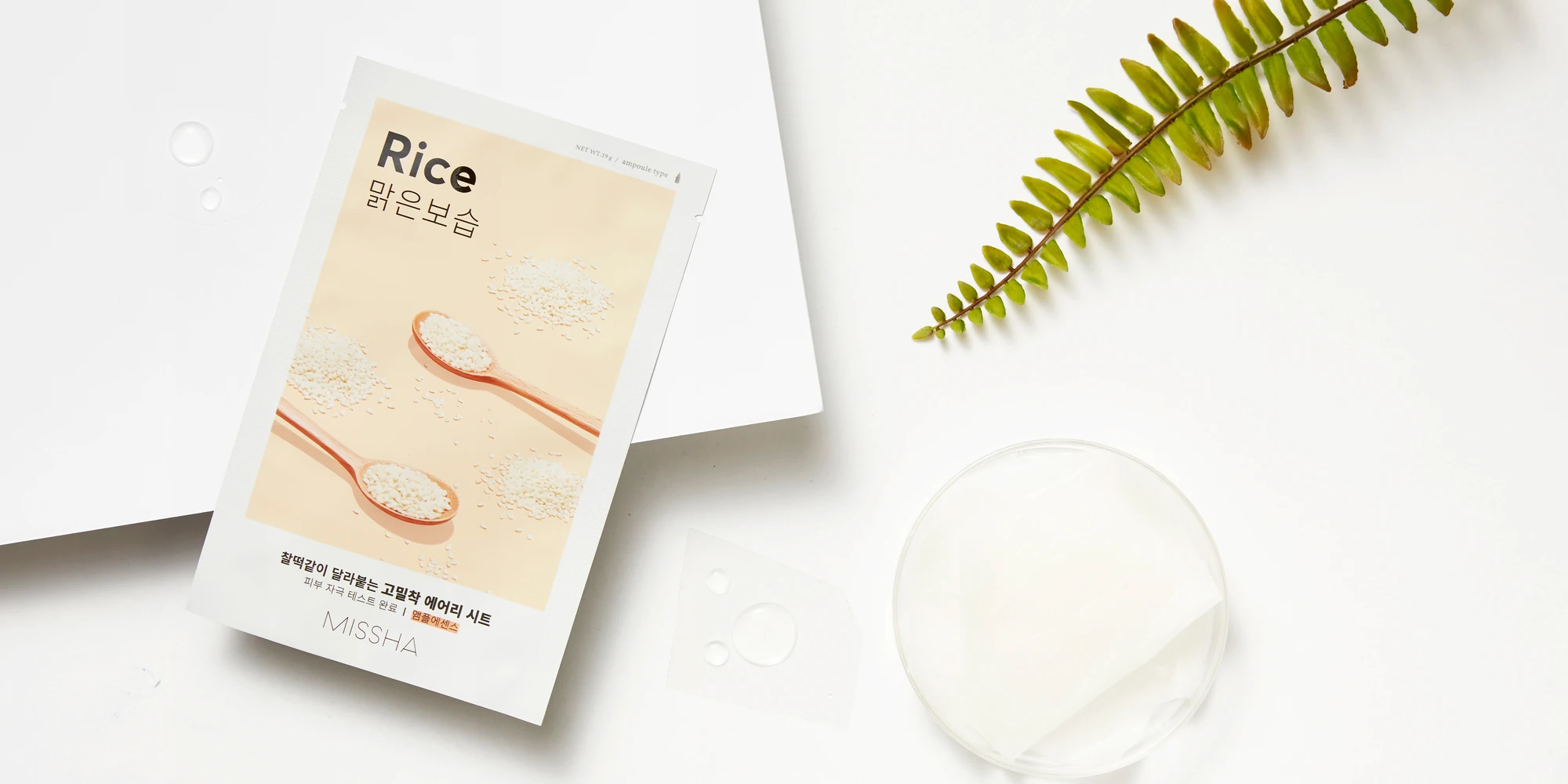
Want something more familiar? Then take a look at cosmetics with rice extract.
And in the selection of cosmetics with probiotics, be sure to check the INCI. In cosmetics, the word “probiotic” on the packaging doesn’t always mean that the product contains live microorganisms. Inside, there may be fermented ingredients, lysates, filtrates, or prebiotics.
So choose a product primarily according to your skin’s needs, and pay attention to the format and the formula as a whole, rather than just the word Ferment on the label. This way, it’ll be easier for your new product to find its place in your routine 💕
Conclusion
Fermentation doesn’t turn an ordinary ingredient into a superhero 💫 It changes the composition and properties of the raw material, while how the finished product works depends on the entire formula.
So don’t look for Ferment just for the sake of Ferment. It’s much more important to understand what your skin needs right now and then choose the right formula and texture.
If acids aren’t part of your routine or your skin doesn’t feel comfortable with them, a well-chosen product with fermented ingredients can be another option for supporting hydration, comfort, and a well-cared-for appearance.
It’s not a replacement for every active ingredient, but another way to build a routine around the needs of your skin. Start with one product, don’t rush, and pay attention to how your skin reacts — it will tell you best what deserves a place in your beauty routine 🥰
This translation is AI-generated, so there might be some minor slip-ups 😌
Did you like the article?
support the author
2 likes